

Introduction
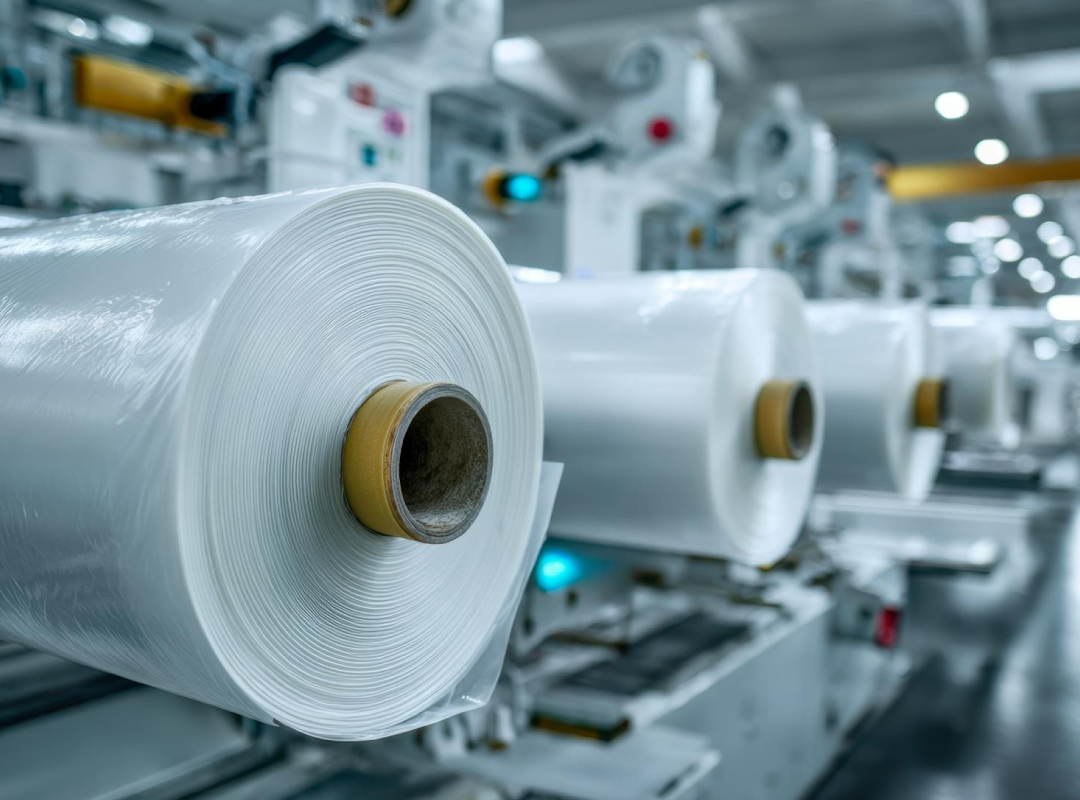
The global food packaging industry is undergoing a significant transformation. With evolving consumer expectations, regulatory pressures, and technological advancements, packaging films are no longer just protective layers—they are strategic tools for enhancing product quality, shelf appeal, and sustainability.
Food manufacturers today demand packaging solutions that balance performance, cost-efficiency, and environmental responsibility. As a result, the food packaging film segment is witnessing rapid innovation.
This article explores the latest trends in food packaging films that are shaping the future of the industry in 2026 and beyond.
1. Shift Toward Sustainable Packaging Solutions
Sustainability has become a central focus across the packaging value chain. Governments, brands, and consumers are increasingly demanding eco-friendly alternatives to conventional plastics.
Key developments include:
- Adoption of recyclable mono-material films (e.g., BOPP-based structures)
- Reduction in overall plastic usage through downgauging
- Development of environmentally responsible packaging solutions
Flexible packaging manufacturers are investing in innovations that reduce environmental impact without compromising on functionality.
Impact:
Brands adopting sustainable packaging gain stronger market acceptance and regulatory compliance advantages.
2. Increasing Demand for High-Barrier Films
Food preservation remains a critical requirement, especially for perishable and ready-to-eat products.
High-barrier packaging films are gaining traction due to their ability to:
- Prevent oxygen and moisture ingress
- Retain aroma and freshness
- Extend product shelf life significantly
Applications:
- Snack foods
- Dairy products
- Frozen and processed foods
Impact:
Reduced food wastage and improved product quality during storage and transportation.
3. Dominance of Flexible Packaging Formats
Flexible packaging continues to outperform rigid packaging in multiple areas, including cost, logistics, and convenience.
Advantages include:
- Lightweight and easy handling
- Lower transportation and storage costs
- Enhanced design flexibility
Industries such as FMCG, food processing, and e-commerce are increasingly shifting toward flexible packaging solutions.
Impact:
Improved operational efficiency and reduced supply chain costs.
4. Emergence of Smart & Functional Packaging
Technology integration is redefining packaging functionality.
Key innovations:
- QR codes for product traceability and consumer engagement
- Anti-counterfeiting features
- Time-temperature indicators for sensitive products
Smart packaging enhances transparency and builds consumer trust.
Impact:
Improved brand credibility and consumer interaction.
5. Premiumization & Enhanced Visual Appeal
Packaging has become a powerful branding tool, especially in competitive retail environments.
Trending features:
- Matte, soft-touch, and velvet finishes
- Metallized films for premium aesthetics
- High-definition printing compatibility
Brands are leveraging packaging design to differentiate their products on shelves.
Impact:
Increased consumer attention and higher perceived product value.
6. Growth of Convenience-Oriented Packaging
Modern consumers prioritize ease of use and portability.
Popular formats include:
- Easy-tear films
- Resealable packaging
- Single-serve and portion-controlled packs
Convenience packaging is particularly important in urban markets and for on-the-go consumption.
Impact:
Enhanced user experience and repeat purchases.
7. Focus on Food Safety & Regulatory Compliance
Food safety regulations are becoming stricter across global markets.
Packaging films must meet:
- Food-grade safety standards
- Migration and contamination limits
- Compliance with international regulations
Manufacturers are prioritizing materials and processes that ensure consumer safety.
Impact:
Stronger compliance, especially for export-oriented businesses.
8. Cost Optimization Through Material Innovation
Cost efficiency remains a key concern for food manufacturers.
Innovations include:
- Thinner films with improved strength and durability
- Optimized material usage
- Enhanced production efficiency
The goal is to deliver high performance at lower costs.
Impact:
Better margins without compromising packaging quality.
Conclusion
The food packaging film industry is evolving at a rapid pace, driven by sustainability, technology, and changing consumer behavior. Businesses that adopt these emerging trends will be better positioned to compete in an increasingly dynamic market.
From recyclable materials to smart packaging solutions, the future lies in innovation that aligns with both performance and responsibility.
How SK Polyfilms Adds Value
At SK Polyfilms, we understand the evolving needs of the food packaging industry. Our advanced film solutions are designed to deliver:
- Superior barrier properties
- Consistent quality and performance
- Cost-effective packaging solutions
- Support for sustainable packaging initiatives
We are committed to helping brands stay ahead by offering innovative, reliable, and future-ready packaging films.
Final Thoughts
As the demand for efficient and sustainable food packaging continues to grow, manufacturers must embrace innovation and adaptability. Packaging is no longer just a necessity—it is a competitive advantage.
Companies that invest in the right packaging solutions today will define the future of the food industry.